2026
Graph Neural Networks for Antarctic Sea Ice Concentration Forecasting
Scientific Reports · Nature Portfolio ·
10.1038/s41598-026-70984-7

Research Portfolio
PhD · Environmental Data Science · University of Canterbury
Kia ora, my name is Tobi, and I am a postdoc at the University of Canterbury, researching extreme weather events in Antarctica. My work spans machine learning, environmental data science, anomaly detection, legal tech and natural language processing.
I am a postdoctoral researcher at the School of Earth and Environment at the University of Canterbury, Christchurch, New Zealand. My current research focuses on the detection and prediction of anomalous and extreme weather events in Antarctica. This work is closely related to my PhD dissertation in Applied and Computational Mathematics, combining data science and machine learning with environmental science to uncover unusual patterns in complex, real-world datasets.
I also worked as a Research and Teaching Assistant at the University of Passau, Germany, where I completed both my B.Sc. in Internet Computing and my M.Sc. in Computer Science. Furthermore, I spent a year at Kyoto Sangyo University in Japan and completed a 3-month research internship at the Institute of Industrial Science at the University of Tokyo.
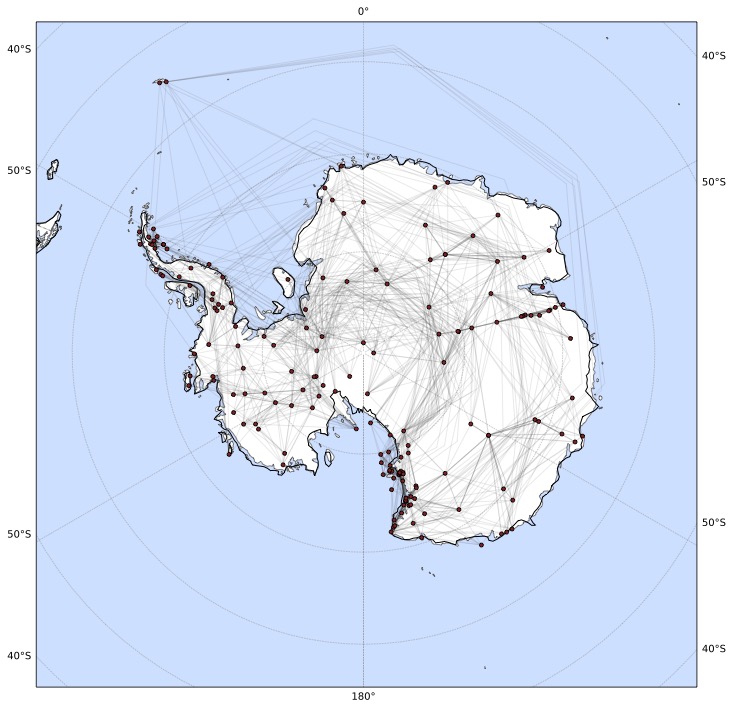
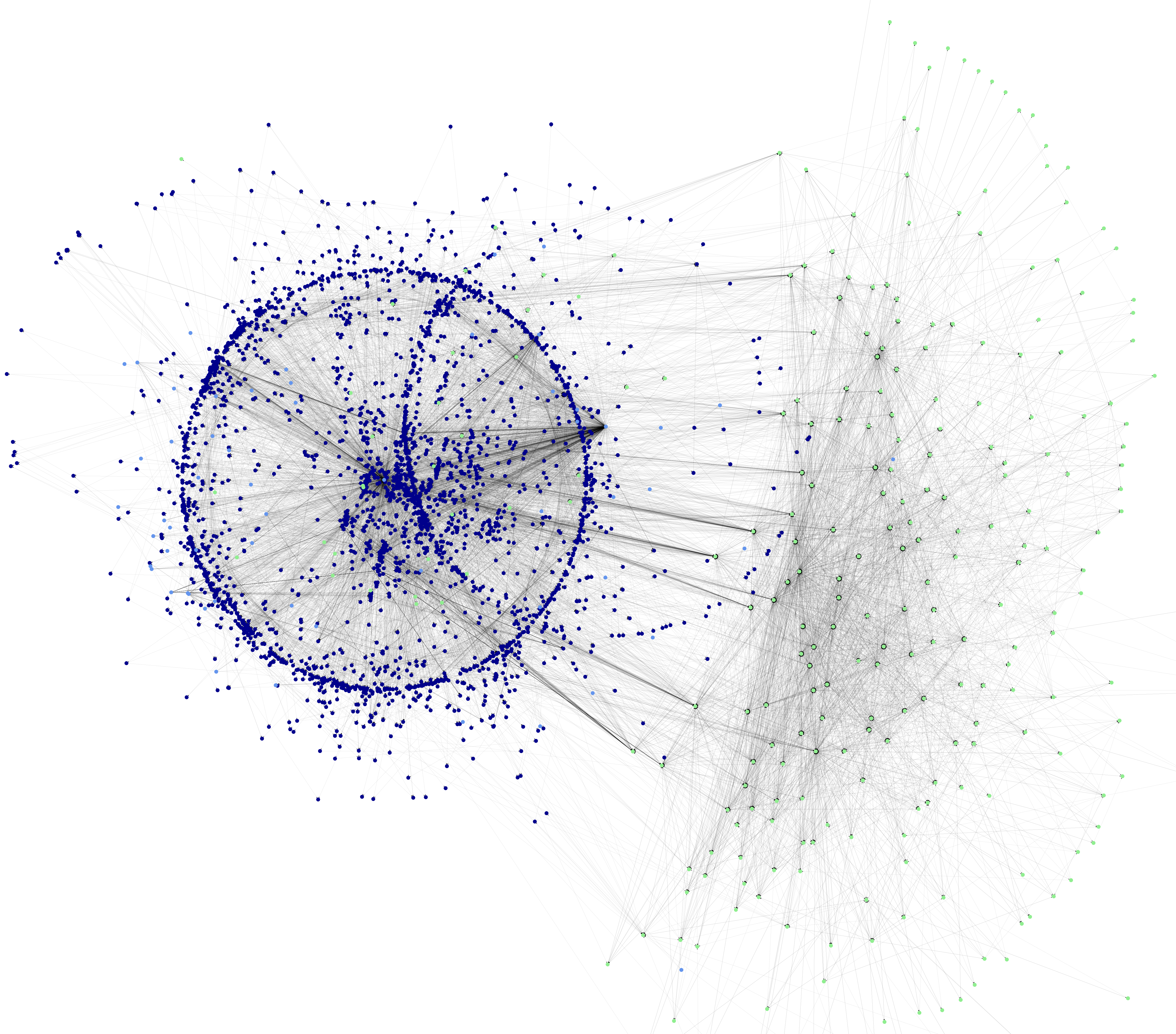
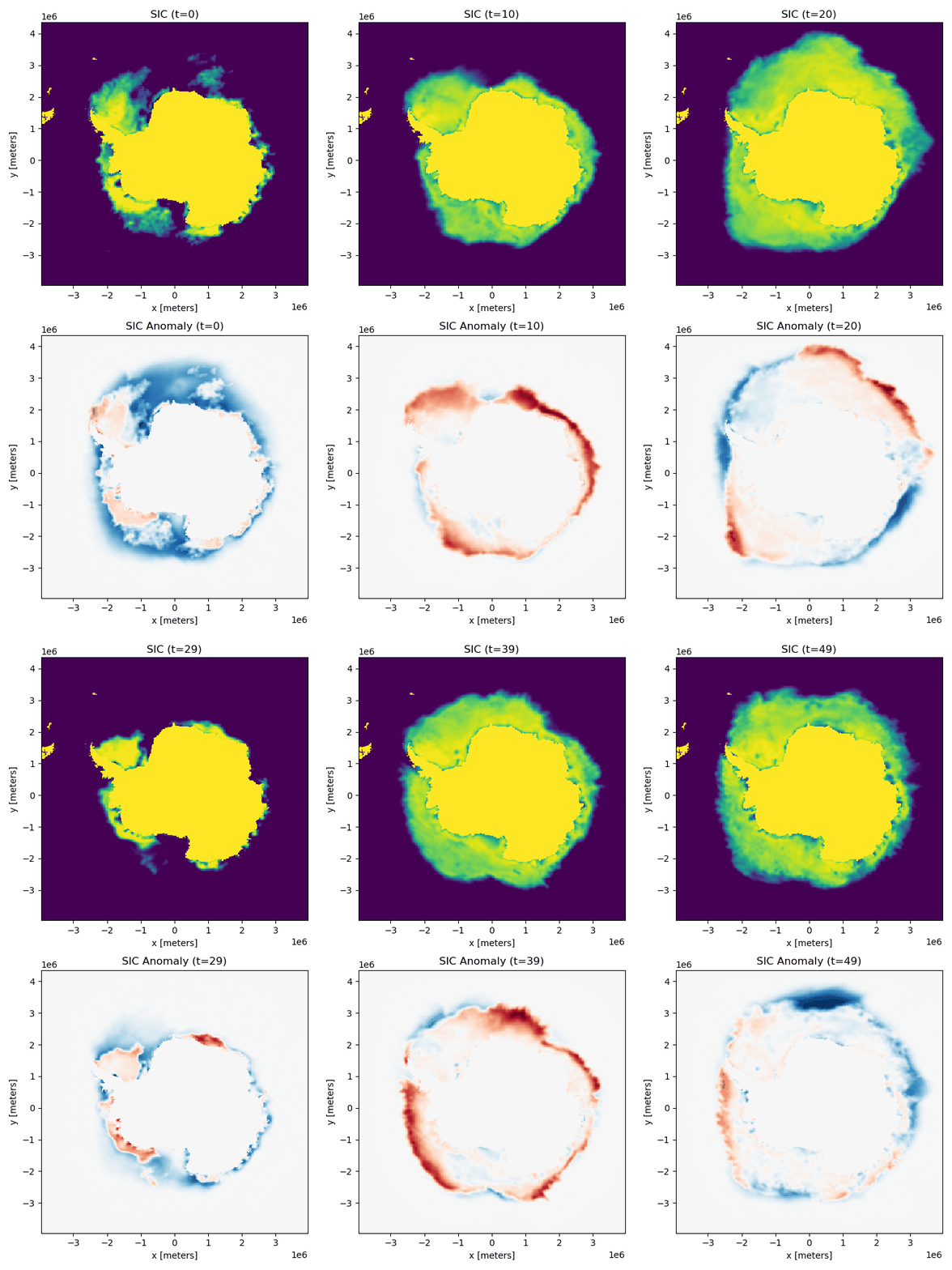
Sea ice plays a critical role in regulating Earth’s climate and ocean–atmosphere interactions, yet its behaviour around Antarctica has proven highly unpredictable. While Arctic sea ice has steadily declined since satellite observations began, Antarctic sea ice confounded expectations by continuing to expand until it collapsed with unprecedented speed in recent years. The causes and predictability of these changes remain poorly understood, as both the prolonged growth and its sudden reversal defied climate model predictions. In this work, we apply modern graph neural network architectures (DeepGAT, GraphSAGE, and DCRNN) designed for spatio-temporal data to forecast Antarctic sea ice concentration and its anomalies up to eight weeks ahead. Using a novel graph representation of the sea ice, ocean and atmospheric dynamics derived from reanalysis and satellite observations, we show that graph-based models substantially outperform statistical baselines and dynamical systems. The results demonstrate that graph neural networks can capture complex spatial and temporal dependencies, offering a promising new pathway for subseasonal sea ice prediction and polar climate research.
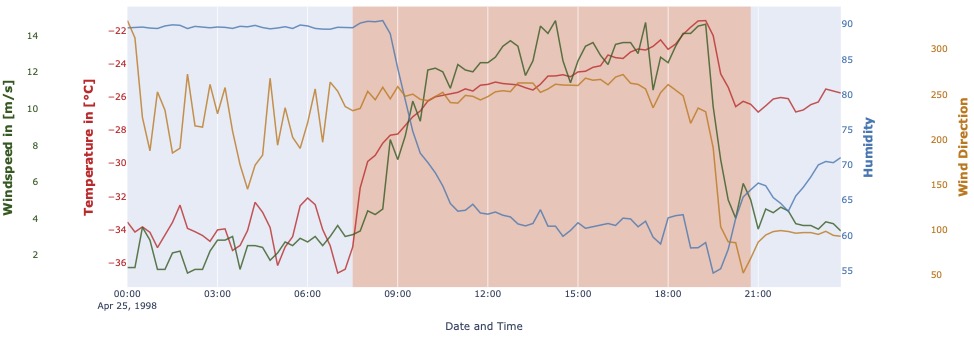
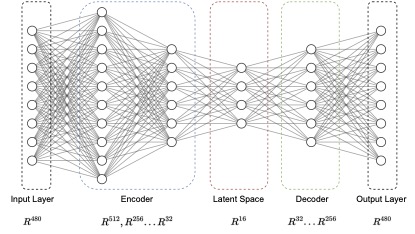
Foehn winds are accelerated, warm and dry winds that can have large socioeconomic and environmental impacts as they descend into the lee of a mountain range. They can be found in many alpine areas around the world, including the New Zealand Alps and the McMurdo Dry Valleys (MDV) in Antarctica. In the latter, foehn winds can cause ice and glacial melt and by extension destabilise ice shelves. Hence, detecting past and future foehn events from in-situ sensors or climate models is of significant interest. However, to the best of our knowledge, no unsupervised machine-learning approaches have been applied to this domain to provide a data-driven analysis of foehn wind patterns. In this study, we show that unsupervised methods such as k-means clustering and autoencoder-based anomaly detection (AD) can produce comparable results to current rule-based and supervised approaches.
I welcome inquiries from prospective students, collaborators, journalists, and colleagues. Please do not hesitate to reach out — I aim to respond within a few working days.
If you are interested in joining the lab as a graduate student or postdoctoral researcher, please include a brief description of your background and research interests.